
The Juno Spacecraft Has Orbited Jupiter Since 2016
It arrived in July 2016 and has studied the planet's atmosphere, gravity and magnetic field.
 Topic
Topic9 facts
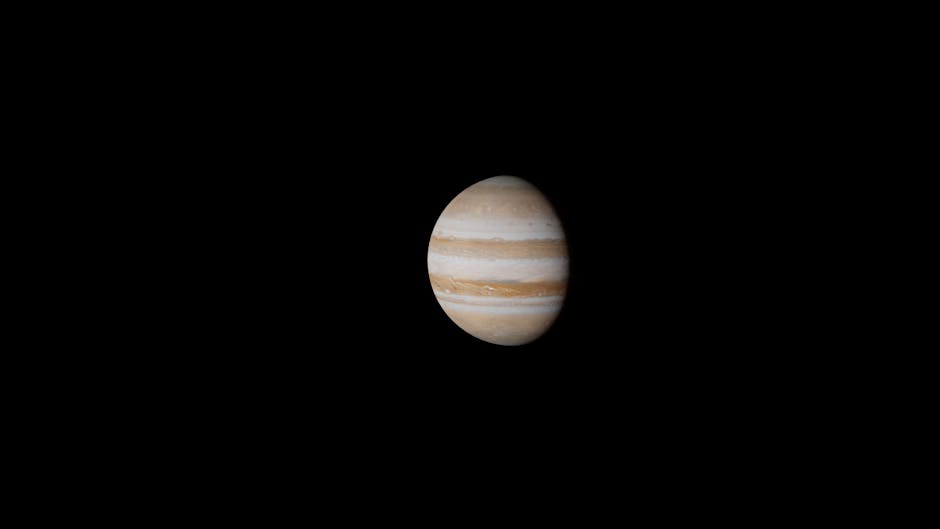
Dive into the wonders of Jupiter, the mighty gas giant and largest planet in our solar system. Uncover its mysteries, from swirling storms to icy moons!
It arrived in July 2016 and has studied the planet's atmosphere, gravity and magnetic field.
Despite its size, Jupiter spins faster than any other planet in the solar system.
The moons are still called the Galilean moons, and they offered early evidence against an Earth-centered universe.
The four largest are Io, Europa, Ganymede and Callisto.
The gas giant holds about two and a half times the mass of all the other planets put together.
Jupiter traditionally ruled Pisces, but Neptune's 1846 discovery led modern astrologers to assign it as Pisces' co-ruler. Neptune's association with dreams, illusions, spirituality, and the subconscious perfectly aligns with the sign's ethereal nature.
Jupiter, known as the 'Greater Benefic' in astrology, bestows Sagittarius with its characteristic optimism, love for expansion, and philosophical outlook. This planetary influence encourages Sagittarians to seek knowledge, truth, and adventure throughout their lives.
This colossal storm, larger than Earth and raging for at least 350 years, has been observed to be steadily shrinking over the past few decades. Scientists are still studying why this iconic planetary feature is diminishing in size, possibly due to changes in Jupiter's atmosphere.
Scientists theorize that lightning storms convert methane into soot, which then hardens into graphite and eventually diamonds as it falls through the planets' dense atmospheres. These diamonds could be massive, up to a centimeter in diameter, creating truly sparkling storms.