
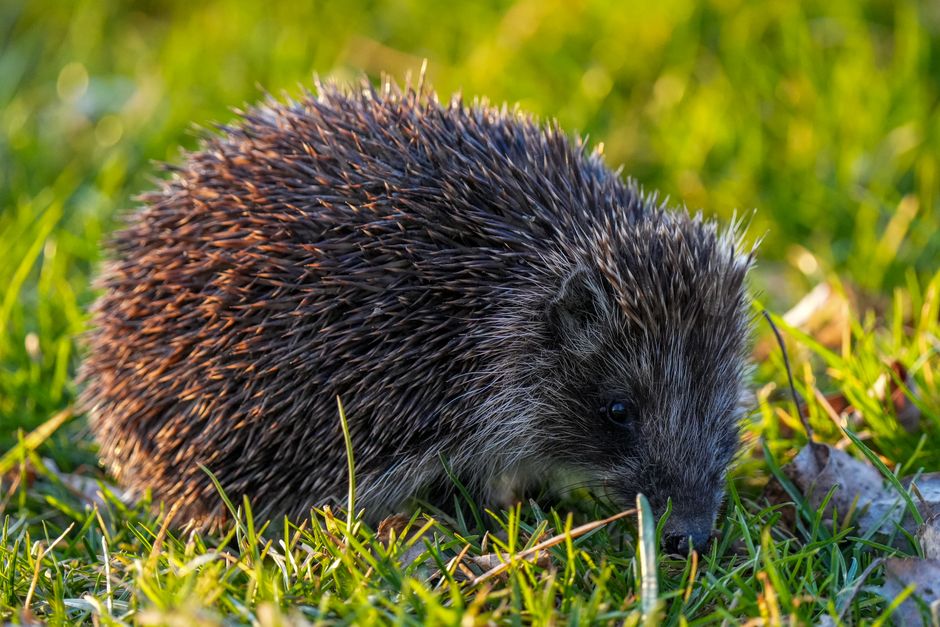
Hedgehogs Are Named After Hedges and Pigs
The name hedgehog came into use around 1450. It comes from the Middle English heyghoge, built from hegge, meaning hedge, because the animal frequents hedgerows, and hogge, meaning hog, for its pig-like snout.
English has other names for the animal too: urchin and hedgepig. The pig comparison suits more than its face. Hedgehogs are fairly vocal, making a variety of grunts, snuffles and squeals, and like pigs they are omnivores, eating insects, snails, frogs, bird eggs, berries and even melons.
Hedgerows and farmland remain part of the story in Britain. In intensively farmed areas, one of the hedgehog's main predators is the European badger, which also competes with it for food, and some rescue groups will not release hedgehogs into known badger territory. The animal behind the old name is in trouble there: in 2022 it was reported that the hedgehog population in rural Britain had fallen by 30 to 75% since 2000.
Save or share this fact
A ready-made card for Pinterest, Instagram, a class slide or the family chat.
Why it's true
This fact is drawn from en.wikipedia.org, a published source you can check yourself:
https://en.wikipedia.org/wiki/Hedgehog