
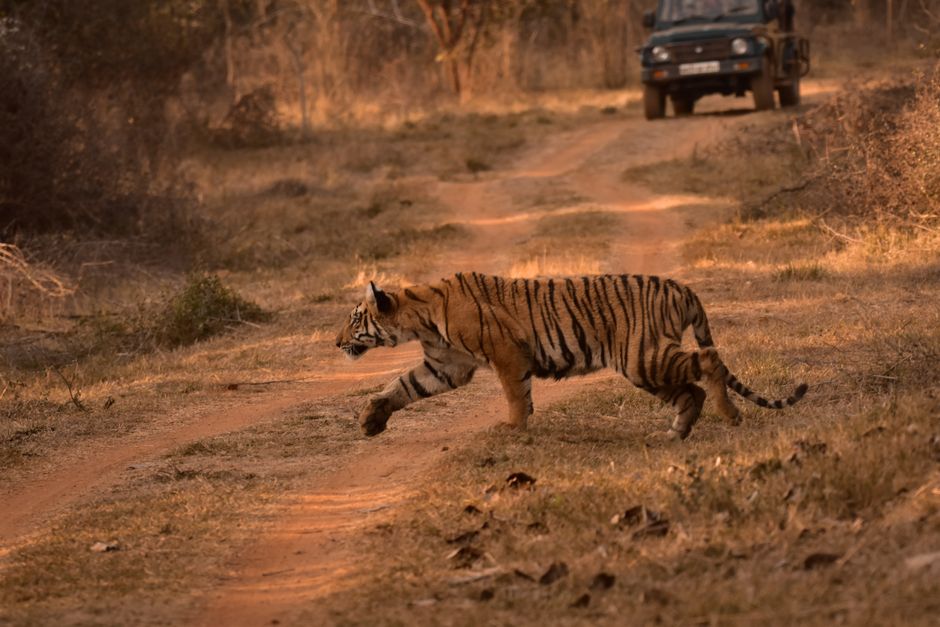
India Counted Only 1,827 Tigers Before Launching Project Tiger in 1973
In 1972, India's first systematic all-India tiger census found only 1,827 tigers left in the wild. The shock helped launch Project Tiger, formally started on 1 April 1973 at Corbett National Park.
The warnings had begun earlier. In 1969, forest officer Kailash Sankhala presented a paper called The Vanishing Tiger at the IUCN General Assembly in New Delhi and estimated about 2,500 tigers. Prime Minister Indira Gandhi's government banned tiger hunting throughout India by July 1970, and two months later stopped the export of tiger and leopard skins. The new Wild Life (Protection) Act of 1972 gave the project its legal basis. The first nine reserves were Corbett, Palamau, Similipal, Sundarbans, Manas, Ranthambhore, Kanha, Melghat and Bandipur, with Gandhi personally insisting on the Sundarbans.
That first network of nine reserves has since grown to 58 tiger reserves spread across India.
Save or share this fact
A ready-made card for Pinterest, Instagram, a class slide or the family chat.
Why it's true
This fact is drawn from wildlifeconservationtrust.org, a published source you can check yourself:
https://www.wildlifeconservationtrust.org/the-road-to-project-tiger/