
FactcoveryFactcovery
Search facts and topics…
HomeFactsTopicsRandomHistoryWeirdCultureFunGeographyAnimalsBiologyAstrologyNatureAstronomyEconomySpace
Home/Facts/Oceans Produce Over Half of Earth's Oxygen
Oceans Produce Over Half of Earth's Oxygen
Earth

Oceans Produce Over Half of Earth's Oxygen

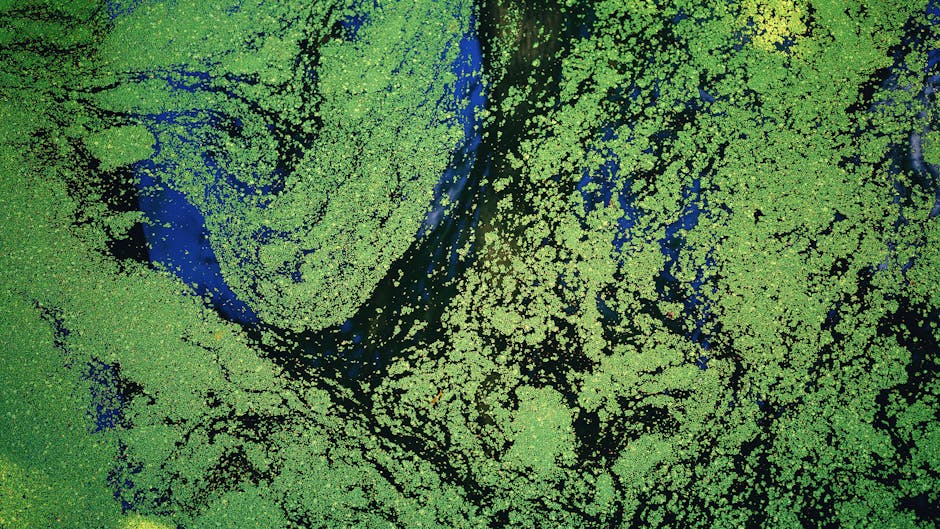
Phytoplankton, tiny marine plants, perform photosynthesis, converting sunlight into energy and releasing oxygen as a byproduct. These microscopic organisms are responsible for an estimated 50-85% of the oxygen in our atmosphere.

Source

https://ocean.si.edu/ocean-life/plants-algae/phytoplankton

Details

Published
March 29, 2026
views
54
EarthBiologyOceanEcologyOxygenPhytoplanktonPhotosynthesisMarine LifeAtmosphere

Related Facts

Humanbody66 views

The Stomach Produces Enough Acid to Dissolve Metal — and Renews Its Lining Every 3–4 Days

Gastric acid in the stomach reaches a pH of 1.5 to 3.5 — acidic enough to dissolve zinc and corrode certain metals. Yet the stomach doesn't digest itself because mucus-secreting cells continuously coat the stomach wall with a protective bicarbonate-rich mucus layer. This protection is temporary: the stomach completely replaces its inner lining every 3–4 days. If this renewal failed, gastric ulcers would quickly develop, as occurs in H. pylori infections that disrupt the mucus barrier.

Humanbody61 views

Humans Are Bioluminescent — We Emit Visible Light, Just Too Faint to See

Every human body emits a faint glow of visible light produced by bioluminescent reactions in metabolic processes. A 2009 study by Japanese researchers using ultra-sensitive cameras confirmed that the human body glows with photon emission about 1,000 times weaker than what the naked eye can detect. The glow is strongest on the face, neck, and hands, and follows a daily cycle — brightest in the late afternoon and dimmest in the early morning.

Humanbody70 views

The Small Intestine Is About 6–7 Metres Long and Has the Surface Area of a Tennis Court

Despite being called 'small', the small intestine is the longest section of the digestive tract, measuring 6–7 metres in adults. Its inner surface is covered with millions of finger-like projections called villi, and each villus is covered with even smaller microvilli (the 'brush border'), which together increase the total absorptive surface area to approximately 250–300 square metres — roughly the size of a tennis court. Food takes 2–6 hours to pass through.

Humanbody65 views

The Human Eye Can Distinguish About 10 Million Different Colours

The retina contains two types of photoreceptor cells: about 120 million rods (sensitive to light and dark) and 6–7 million cones (for colour and detail). The three types of cones respond to red, green, and blue wavelengths, and their combined signals allow the brain to distinguish an estimated 10 million distinct colours. The eye can also detect a single photon of light in total darkness — and can process approximately 36,000 bits of information per hour.

✦ Factcovery

TopicsAboutPrivacyContactFeedback

© 2026 Factcovery. All rights reserved.