
FactcoveryFactcovery
Search facts and topics…
HomeFactsTopicsRandomHistoryWeirdCultureFunGeographyAnimalsBiologyAstrologyNatureAstronomyEconomySpace
Home/Facts/The Delta Aquariids Meteor Shower Has Two Branches
The Delta Aquariids Meteor Shower Has Two Branches
Aquarius

The Delta Aquariids Meteor Shower Has Two Branches

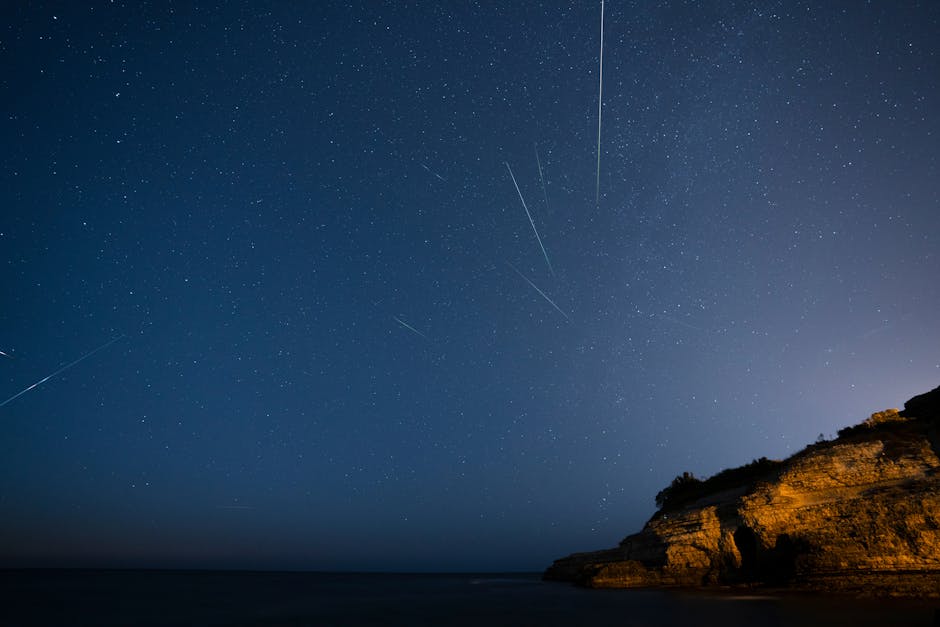
The Southern Delta Aquariids are active from mid-July to mid-August, peaking around July 28-29. A weaker Northern branch also exists, and both are thought to originate from the breakup of a comet.

Source

https://en.wikipedia.org/wiki/Delta_Aquariids

Details

Published
March 28, 2026
views
23
AquariusAstronomySpaceCometsDelta AquariidsMeteor ShowerSouthern Delta AquariidsCometary DebrisCelestial Event

Related Facts

Woman73 views

Katherine Johnson's Calculations Were Essential to NASA's Moon Landing

Katherine Johnson, an African American mathematician at NASA, computed the orbital mechanics for multiple critical missions including the first American crewed spaceflight (Alan Shepard, 1961), John Glenn's orbital mission (1962), and the Apollo 11 Moon landing (1969). Glenn famously refused to fly unless Johnson personally verified the computer's trajectory calculations. She worked at NASA for 33 years and was awarded the Presidential Medal of Freedom in 2015. Her story was told in the film Hidden Figures (2016).

Woman65 views

Valentina Tereshkova Became the First Woman in Space in 1963

On June 16, 1963, Soviet cosmonaut Valentina Tereshkova launched aboard Vostok 6, becoming the first woman — and at 26, the youngest woman — to fly in space. She orbited Earth 48 times over three days, logging more time in space than all American astronauts combined at that point. A textile worker and amateur parachutist before her selection, she remains the only woman to have completed a solo space mission.

Chile82 views

Chile Hosts the World's Largest Astronomical Observatory

The Atacama Large Millimeter Array (ALMA), located in Chile's Atacama Desert at 5,000 meters altitude, is the world's most powerful radio telescope. Chile hosts about 40% of the world's astronomical infrastructure because its high-altitude, low-humidity, pollution-free skies are ideal for stargazing. Future telescopes including the Extremely Large Telescope (ELT) are also being built in Chile.

Chile125 views

Chile Hosts Over 70% of the World's Astronomical Infrastructure

The clear, dry skies of the Atacama Desert, coupled with high altitudes and minimal light pollution, create ideal conditions for stargazing. This makes Chile a global hub for ground-based astronomy, attracting major international observatories.

✦ Factcovery

TopicsAboutPrivacyContactFeedback

© 2026 Factcovery. All rights reserved.