
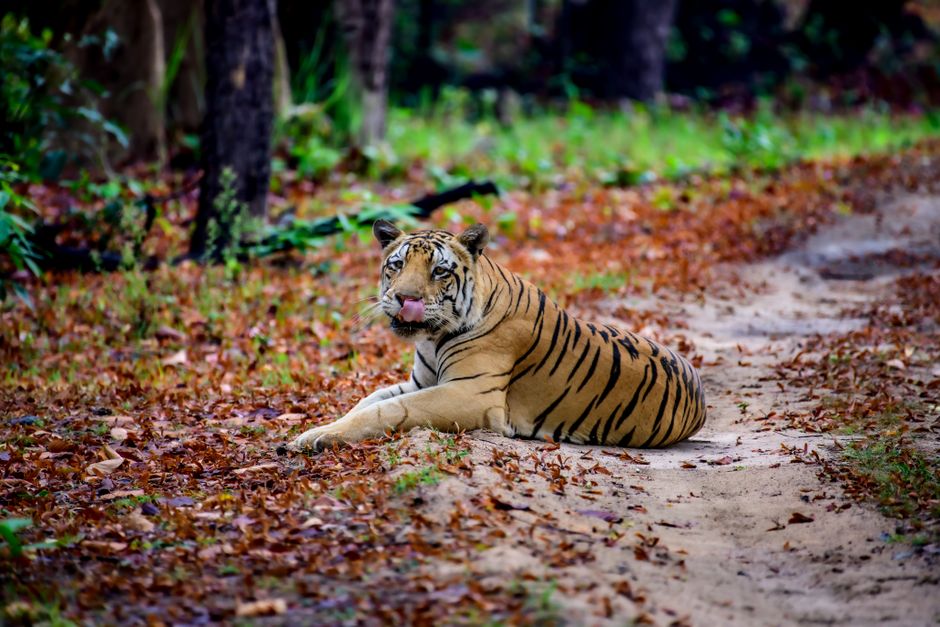
Tigers Have Vanished From 93% of the Land They Once Roamed
Wild tigers survive in only a small fraction of their old territory. Tigers have lost 93% of their historic range, and their numbers fell from about 100,000 a century ago to an estimated 4,500 today.
That 4,500 figure is the average from the IUCN Red List tiger assessment announced on 21 to 22 July 2022, as reported by the big cat charity Panthera. It put the global wild population between 3,726 and 5,578 tigers, including about 3,140 adults. That is a potential 40% increase on the 3,200 tigers estimated in 2015, although scientists caution that better counting methods may explain part of the rise. South Asia now holds 76% of all wild tigers. The species remains listed as Endangered, while the Malayan and Sumatran tigers are Critically Endangered.
In 2010, tiger countries set a goal of doubling numbers or reaching 6,000 by 2022, a target that was missed, yet the trend is finally pointing upward.
Save or share this fact
A ready-made card for Pinterest, Instagram, a class slide or the family chat.
Why it's true
This fact is drawn from panthera.org, a published source you can check yourself:
https://panthera.org/newsroom/global-tiger-population-stable-and-potentially-increasing-despite-extreme-threats