
Wolves Howl to Communicate Across Long Distances
In open terrain a wolf's howl can carry up to about 10 miles. Packs use howls to gather members and to advertise their territory.
 Topic
Topic10 facts
Explore the fascinating world of animal behavior! Discover how creatures communicate, hunt, play, and adapt in their natural habitats.
In open terrain a wolf's howl can carry up to about 10 miles. Packs use howls to gather members and to advertise their territory.
Male bowerbirds build and decorate bowers with colored objects. Females choose partners largely by the quality of the display.
Observers have recorded elephants pausing to touch and smell the skulls and tusks of their species, a behavior researchers often describe as mourning.
Each male balances a single egg on his feet and goes without food for about two months while temperatures can fall below minus 40 degrees.
A forager's figure-eight dance encodes the direction and distance of flowers relative to the sun. Karl von Frisch won a Nobel Prize in 1973 for decoding it.
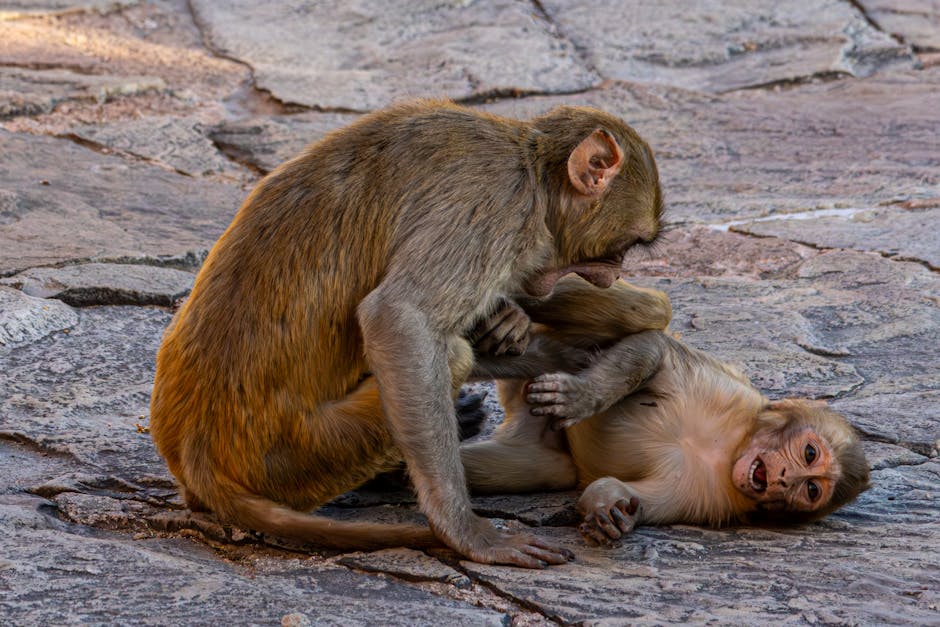
From lion cubs wrestling to dolphins leaping and chasing, play is common across the animal kingdom. It serves important developmental functions, helping young animals learn hunting skills, social cues, and physical coordination for survival.
While inaudible to the human ear, rats emit high-frequency vocalizations (50-kHz chirps) when tickled or engaged in play. These sounds are associated with positive emotional states, similar to human laughter, indicating joy.
When severely threatened, opossums involuntarily enter a catatonic state, falling on their side, drooling, and emitting a foul smell. This unconscious reaction, lasting from minutes to hours, convinces predators they are dead and unappetizing, a truly bizarre survival mechanism.
Studies have shown that cows develop strong bonds with specific individuals within their herd. When these 'best friends' are separated, cows exhibit signs of stress, including elevated heart rates and reduced social interaction, just like humans.
Studies have shown that crows can remember specific human faces for years and even teach other crows about 'dangerous' individuals. If you treat a crow badly, it might remember you and share that information with its flock, leading to collective scolding.