
Alpha Join the Android alphaGet early access
FactcoveryFactcovery
FactsTopics
Home/Facts/Many Animal Species Engage In Play Behavior
Many Animal Species Engage In Play Behavior
Fun

Many Animal Species Engage In Play Behavior

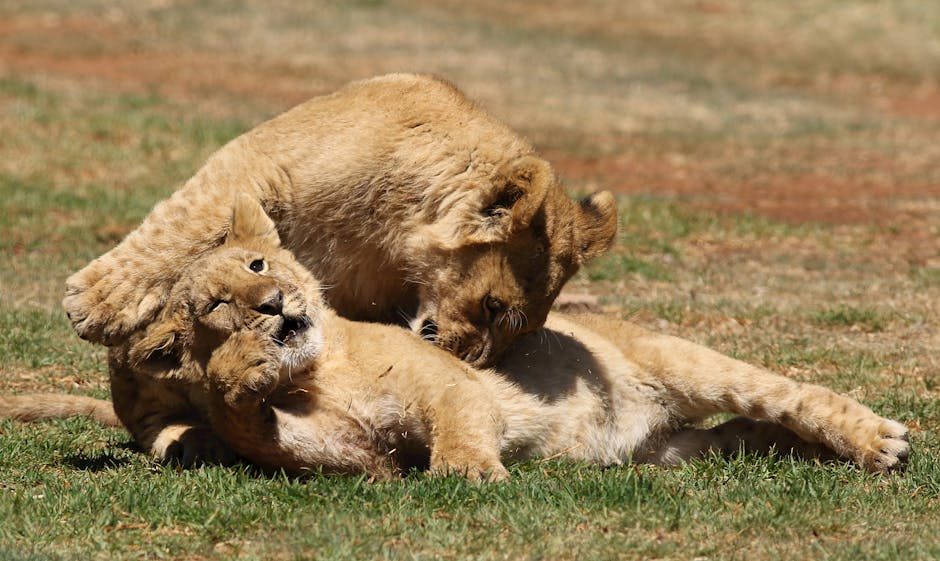
From lion cubs wrestling to dolphins leaping and chasing, play is common across the animal kingdom. It serves important developmental functions, helping young animals learn hunting skills, social cues, and physical coordination for survival.

Source

https://www.nationalgeographic.com/animals/article/animal-play-benefits

Details

Published
March 29, 2026
views
32
FunAnimalsBiologyAnimal BehaviorPlayPredatorsDevelopmentWildlifeEthology

Related Facts

Snake59 views

Some Female Snakes Can Reproduce Without a Male Through Parthenogenesis

Several snake species including boa constrictors and copperheads are capable of facultative parthenogenesis — producing offspring without fertilization. Female snakes can do this when isolated, essentially cloning themselves, though offspring have reduced genetic diversity.

Read more
Snake54 views

Rattlesnake Rattles Are Made of Interlocking Hollow Keratin Rings

Each time a rattlesnake sheds its skin, a new hollow keratin segment is added to the rattle. The segments interlock but are not attached, so they knock together to produce the distinctive sound. A new snake grows one segment per shed.

Read more
Snake55 views

The Smallest Snake in the World Is Shorter Than a Pencil

Tetracheilostoma carlae, the Barbados threadsnake, is the world's smallest known snake at just 10 cm long and as thin as a strand of spaghetti. It was only discovered in 2008 and feeds exclusively on termite and ant larvae.

Read more
Snake57 views

Snakes Can Detect Earthquakes Before They Happen

China's earthquake bureau has monitored snake behavior since 2006, finding that snakes leave their burrows and behave erratically up to five days before a quake. They can detect seismic vibrations at distances of 120 km.

Read more

✦ Factcovery

TopicsAboutPrivacyContactFeedback

© 2026 Factcovery. All rights reserved.