
Johann Goeze First Described Tardigrades in 1773
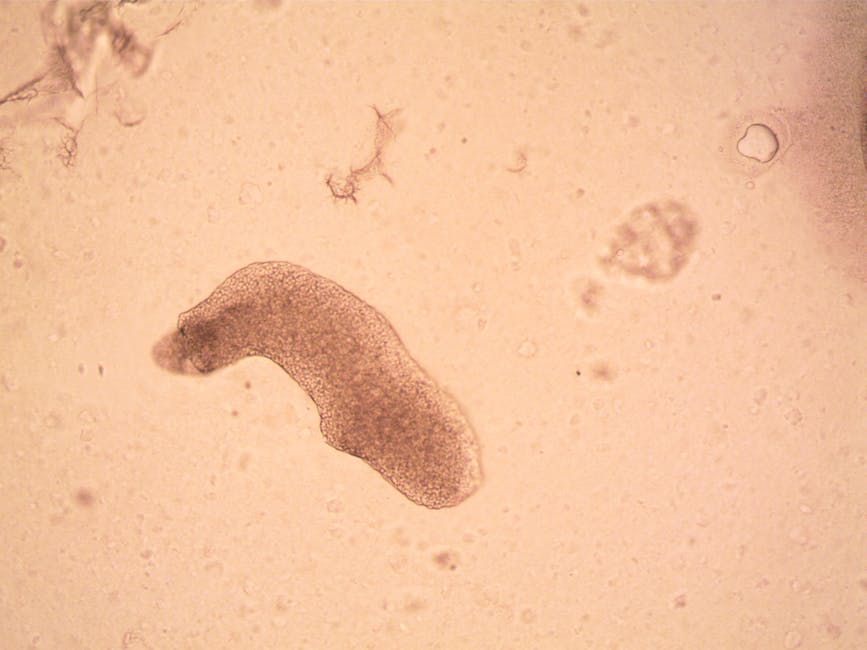
He called them little water bears, and Lazzaro Spallanzani gave them the name Tardigrada in 1777.
 Topic
Topic7 facts
Discover tardigrades, the incredible "water bears" known for surviving extreme conditions from space to volcanoes. Learn about these microscopic marvels!
He called them little water bears, and Lazzaro Spallanzani gave them the name Tardigrada in 1777.
Each stubby leg ends in claws that help them grip moss and lichens.
They shrivel into a dry form called a tun and can revive when water returns.
They can be seen only under a microscope.
Their plump bodies and slow gait inspired the nicknames.
These microscopic "water bears" can enter a state of suspended animation, shedding up to 97% of their water. This allows them to endure temperatures from -272°C to 150°C, intense pressure, and radiation doses 1,000 times higher than humans can withstand.
These microscopic "water bears" can endure extreme conditions, including the vacuum of space, intense radiation, and temperatures from -272°C to 150°C. They do this by entering a state of suspended animation, making them Earth's most resilient creatures.