
FactcoveryFactcovery
Search facts and topics…
HomeFactsTopicsRandomHistoryWeirdCultureFunGeographyAnimalsBiologyAstrologyNatureAstronomyEconomySpace
Home/Facts/Even Numbers Appear Less Frequently in Nature's Spirals.
Even Numbers Appear Less Frequently in Nature's Spirals.
Even

Even Numbers Appear Less Frequently in Nature's Spirals.

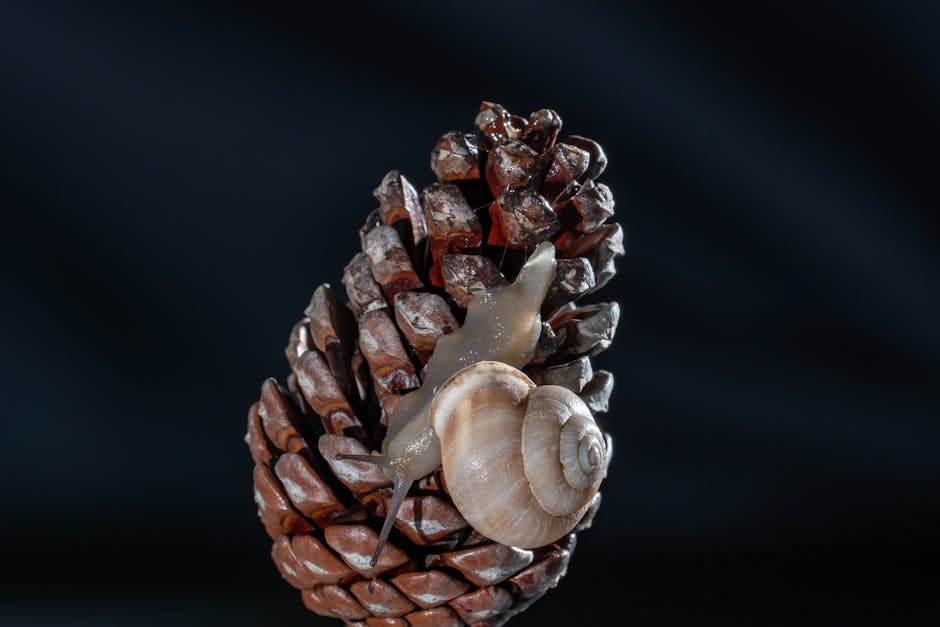
Many natural spirals, like those found in pinecones and sunflowers, exhibit Fibonacci numbers, where consecutive numbers (like 3, 5, 8, 13) are often odd, making even numbers less common in these specific patterns.

Source

https://en.wikipedia.org/wiki/Fibonacci_number

Details

Published
March 29, 2026
views
72
EvenNatureMathematicsBiologyFibonacciSpiralsNature PatternsEven NumbersBotanyMathematics In Nature

Advertisement

Related Facts

Weird38 views

Pando Is the Oldest and Heaviest Living Organism on Earth

In Utah's Fishlake National Forest, a clonal grove of quaking aspen trees named 'Pando' (Latin: 'I spread') consists of about 47,000 individual stems that are genetically identical, sharing a single root system. Weighing approximately 6,000 metric tons and covering 43 hectares, it is estimated to be 80,000 years old.

Weird23 views

The World's Largest Living Organism Is a Fungus in Oregon

In the Malheur National Forest, Oregon, a single Armillaria ostoyae (honey fungus) spreads across 965 hectares (2,385 acres) — roughly 1,350 football fields. Estimated to be about 8,000 years old, it grows mostly underground as mycelium. Discovered in 1998, it broke the previous record held by a similar fungus in Michigan.

Weird28 views

You Cannot Hum While Holding Your Nose

Try it right now: pinch your nose and attempt to hum. It's physically impossible. Humming requires the mouth to be closed, so sound resonates through the nasal cavity and exits through the nostrils. Block the nostrils and there is nowhere for the airflow to go, preventing the vocal cords from vibrating.

Weird23 views

The Smell of Rain Has an Official Scientific Name: Petrichor

In 1964, Australian scientists Isabel Joy Bear and Richard Thomas named the distinctive smell of rain on dry earth 'petrichor', from the Greek 'petra' (stone) and 'ichor' (the fluid of the gods). The scent comes primarily from geosmin, produced by Streptomyces bacteria, and plant oils released by rainfall.

Advertisement

✦ Factcovery

TopicsAboutPrivacyContactFeedback

© 2026 Factcovery. All rights reserved.